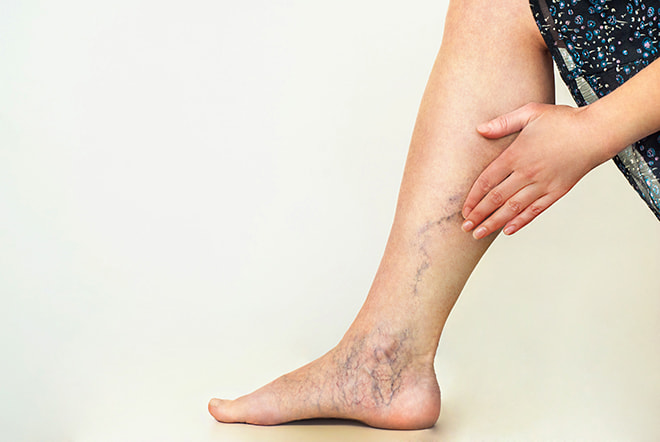
Chronic leg pain, aching, and a feeling of “heavy legs” at the end of the day are often the first warning signs of internal vein failure. This occurs when blood struggles to move upward against gravity, causing it to pool in the lower calves. While the veins may not be visible on the surface yet, the internal pressure is a medical concern.
Our approach focuses on identifying “silent” vein reflux before it turns into visible bulges or ulcers.
Clinical Assessment: A thorough physical exam to differentiate between muscular pain and vascular pain.
Venous Mapping: Ultrasound is used to check the efficiency of the deep and superficial valves.
Targeted Treatment: If reflux is found, minimally invasive procedures like RFA or Sclerotherapy can “reset” your circulation.
Lifestyle Guidance: We provide personalized advice on exercise and elevation to keep your veins healthy long-term.
Early intervention is the key to preventing the progression of vein disease. By treating leg pain in its early stages, you avoid future complications like skin thickening, permanent swelling (Lymphedema), and the formation of painful varicose clusters.