
For decades, treating varicose veins meant invasive "stripping" surgery. Today, at Goa Vein Clinics, we utilize Interventional Radiology to close diseased veins from the inside out. While both Laser (Thermal) and VenaSeal (Non-Thermal) methods are vastly superior to surgery, understanding the physiological differences is key to your long-term comfort and clinical outcome.
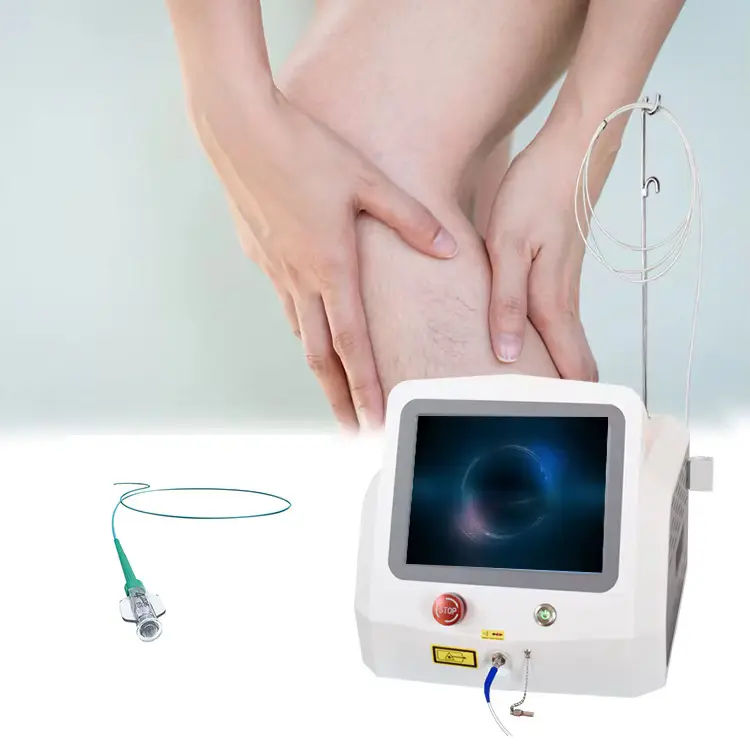
Endovenous Laser Ablation (EVLA) and Radiofrequency Ablation (RFA) are categorized as "Thermal" treatments. During this procedure, a microscopic laser fiber or catheter is inserted into the vein. It emits targeted energy that heats the vein wall to approximately 120°C, causing the vessel to collapse and eventually turn into scar tissue that the body absorbs.

VenaSeal™ represents the absolute cutting edge of non-thermal technology. Instead of using high temperatures to damage the vein wall, it utilizes a proprietary medical-grade "super glue" (cyanoacrylate polymer). A tiny amount of this adhesive is dispensed along the diseased segment, instantly bonding the walls together and shutting down the refluxing vein without any risk of thermal injury.
| Clinical Feature | Laser / RFA (Thermal) | VenaSeal™ (Adhesive) |
|---|---|---|
| Primary Mechanism | High-intensity thermal energy | Bio-compatible medical polymer |
| Internal Temperature | 120° Celsius | Ambient Body Temperature |
| Local Anesthesia | Extensive Tumescent (Multiple Shots) | Single-point local numbing |
| Post-Op Compression | Strict 1-2 weeks requirement | Usually not required |
| Risk of Numbness | Possible (due to heat proximity) | Virtually zero thermal risk |
| Exercise Resumption | Wait 3-5 days for heavy activity | Immediate return to normal life |
- The vein diameter is exceptionally large.
- Insurance/Budget considerations are a priority.
- You have no history of significant nerve sensitivity.
- You are an elderly or high-risk patient.
- You want to avoid wearing compression stockings.
- You have a fear of multiple needle injections.
- You need to return to work/travel immediately.
Following a Laser procedure, it is normal to feel a "pulling" or "tightness" in the thigh for a few days as the vein fibroses. In contrast, VenaSeal patients often report feeling nothing at all post-procedure, as the adhesive is soft and flexible. Regardless of the choice, both procedures allow you to walk out of the clinic on your own feet within 60 minutes.